Marco Pulisci: Top 10 Fitness Trends in 2026 Reshaping Health and Wellness
- May 15
- 6 min read
By Marco Pulisci
The future of fitness in 2026 is no longer focused only on weight loss or intense workouts.
Today’s wellness movement is becoming smarter, more personalized, and deeply connected to long-term health. People are moving beyond short-lived fitness fads and embracing healthier long-term routines that enhance energy, support recovery, strengthen mental well-being, and improve everyday living.

From AI-powered fitness coaching and wearable wellness technology to recovery-focused routines and personalized nutrition, the health and fitness industry is evolving faster than ever before. Modern consumers want flexible wellness experiences that fit naturally into their daily lifestyles while supporting both physical and mental well-being.
As technology continues to transform the wellness space, fitness in 2026 is becoming more intelligent, accessible, and human-centered. Here are the biggest fitness trends shaping the future of health and wellness in 2026.
1. AI Fitness Coaching and Smart Training Are Revolutionizing Workouts
Artificial intelligence is emerging as one of the most influential forces shaping fitness in 2026. Traditional one-size-fits-all workout plans are rapidly being replaced by intelligent fitness coaching systems that personalize training based on real-time body data.
Modern AI-powered fitness platforms can now analyze:
Recovery levels
Sleep quality
Heart rate variability
Stress levels
Energy output
Workout performance
These advanced systems create customized workout recommendations tailored to each individual’s physical condition and wellness goals.
Rather than encouraging constant high-intensity training, AI fitness coaching focuses on smarter and more sustainable progress. This helps reduce overtraining, improve recovery, and create healthier long-term exercise habits.
Popular fitness platforms and wearable brands are already integrating intelligent coaching into everyday wellness routines, making personalized training more accessible for beginners and experienced athletes alike.
Why this matters in 2026:
Personalized workouts improve consistency.
Smart recovery tracking reduces burnout.
AI coaching supports sustainable fitness habits.
Adaptive training helps improve long-term health outcomes.
2. Wearable Fitness Technology Is Becoming More Advanced
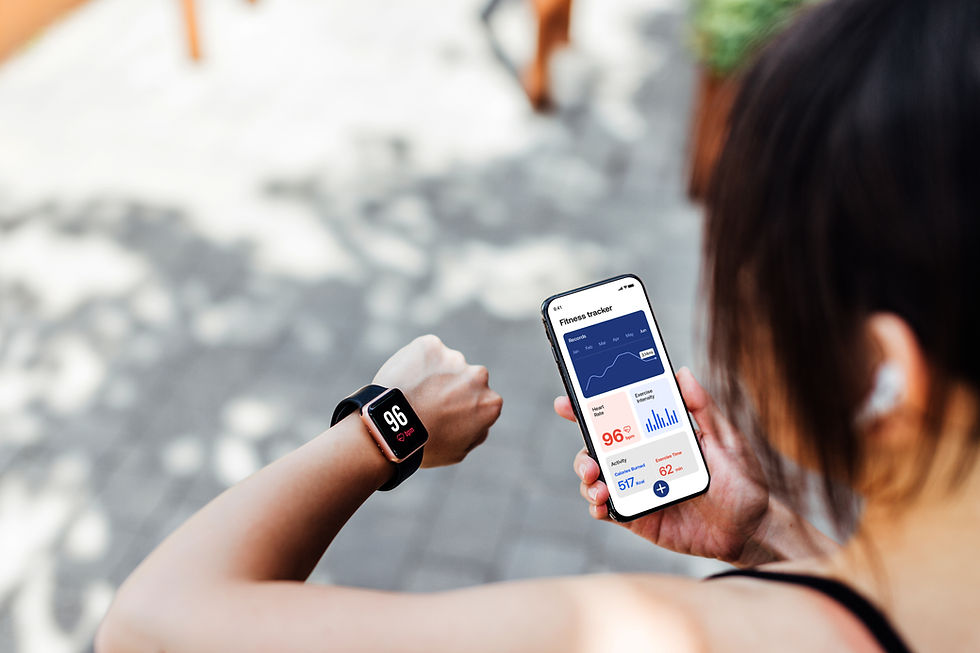
Wearable wellness devices are becoming essential tools for modern health tracking in 2026. Fitness wearables now go far beyond step counting and calorie tracking. Today’s devices provide detailed insights into overall wellness, recovery, and body performance.
Modern wearable fitness technology can monitor:
Sleep patterns
Oxygen saturation
Heart health
Recovery readiness
Stress levels
Hydration status
Body temperature
Daily movement quality
Devices such as smartwatches, recovery bands, and wellness rings are helping people better understand how their bodies respond to exercise, stress, nutrition, and sleep.
One major shift in 2026 is the growing focus on recovery and balance rather than extreme performance metrics. People are using wearable fitness trackers to improve sleep, reduce stress, optimize recovery, and maintain healthier daily routines.
Top wearable fitness trends in 2026 include:
Real-time wellness tracking
Recovery-focused health insights
AI-generated wellness recommendations
Personalized daily readiness scores
Stress management monitoring
Wearable technology is helping create a more holistic approach to fitness and wellness.
3. Personalized Fitness Programs Are Becoming the Industry Standard
Personalized fitness is becoming one of the most important wellness trends of 2026. Generic workout programs are losing popularity as consumers increasingly seek customized health and fitness experiences tailored to their lifestyles and goals.
Modern fitness platforms now use advanced wellness data to personalize:
Exercise intensity
Recovery schedules
Nutrition recommendations
Mobility training
Endurance development
Strength programs
This personalized approach allows individuals to build routines that fit their unique physical needs, schedules, and long-term wellness goals.
Fitness personalization is helping improve:
Workout consistency
Injury prevention
Long-term motivation
Sustainable progress
Recovery management
In 2026, successful fitness programs are no longer based on unrealistic expectations or extreme routines. Instead, the focus is shifting toward realistic wellness strategies that support long-term health and sustainable habits.
4. Community-Driven Wellness Is Increasing Motivation and Accountability
One of the biggest health and wellness trends in 2026 is the return of community-focused fitness experiences. While digital wellness continues to grow, people still crave social connection, support, and shared motivation.
Fitness communities are expanding through:
Virtual wellness groups
Interactive fitness challenges
Outdoor workout communities
Walking clubs
Group wellness programs
Social accountability platforms
Research continues to show that community support plays a major role in improving long-term fitness consistency and mental wellness.
Social fitness experiences are helping people:
Stay motivated
Build healthier habits
Reduce feelings of isolation.
Improve mental well-being
Create stronger accountability systems.
In 2026, wellness is becoming more human-centered, emphasizing emotional support and meaningful connection alongside physical health.
5. Recovery-Focused Wellness Is Becoming a Core Fitness Priority
Recovery is becoming one of the most important pillars of modern fitness in 2026. Instead of constantly pushing physical limits, people are learning that proper recovery is essential for long-term strength, performance, and overall health.
Recovery-focused wellness trends include:
Infrared therapy
Cold exposure therapy
Guided stretching
Mobility training
Massage recovery devices
Sleep optimization
Breathwork and relaxation practices
Advanced wellness technology now allows individuals to track:
Fatigue levels
Recovery scores
Muscle strain
Sleep quality
Stress recovery patterns
This data helps people understand when the body needs rest and when it is ready for more physical activity.
The shift toward recovery-focused fitness is helping reduce:
Overtraining
Burnout
Exercise-related injuries
Chronic fatigue
Fitness in 2026 is no longer about constant intensity. Sustainable recovery is becoming essential for long-term wellness success.
6. Hybrid Training and Low-Impact Fitness Continue to Grow
Hybrid training is one of the fastest-growing fitness trends in 2026 because it combines multiple movement styles into balanced, efficient routines.
Hybrid workouts often include:
Strength training
Mobility exercises
Cardiovascular conditioning
Functional movement
Flexibility work
Recovery-focused movement
At the same time, low-impact fitness programs are gaining popularity among people seeking sustainable exercise routines that place less stress on the joints and muscles.
Popular low-impact fitness trends include:
Walking workouts
Pilates-inspired movement
Mobility training
Controlled strength exercises
Mindful movement practices
Flexibility-focused routines
These workout styles support:
Injury prevention
Joint health
Long-term mobility
Functional strength
Sustainable physical activity
The fitness industry is moving away from extreme exercise culture and embracing more balanced, adaptable wellness routines.
7. Smart Nutrition and Hydration Are Supporting Total Wellness
Nutrition is becoming more personalized and performance-focused in 2026. People are paying closer attention to how food, hydration, and recovery influence physical performance, mental clarity, energy levels, and long-term wellness.
Smart wellness technology can now help monitor:
Hydration levels
Nutrient timing
Recovery nutrition
Energy output
Electrolyte balance
Modern nutrition trends focus on:
Whole foods
Recovery-supportive meals
Plant-based nutrition
Anti-inflammatory ingredients
Performance hydration
Sustainable eating habits
Consumers are increasingly understanding that nutrition impacts:
Exercise performance
Sleep quality
Recovery speed
Immune health
Mental focus
Daily energy levels
In 2026, wellness is becoming more intentional, with nutrition playing a central role in optimizing total-body health.
8. Eco-Friendly Fitness and Sustainable Wellness Are Expanding
Sustainability is becoming a major influence across the fitness and wellness industry in 2026. Consumers are increasingly seeking wellness environments and products that align with environmentally conscious lifestyles.
Eco-friendly fitness trends include:
Energy-efficient gym equipment
Sustainable workout apparel
Eco-conscious wellness spaces
Reusable wellness products
Low-waste fitness facilities
This growing movement reflects a larger shift toward mindful living and responsible wellness habits.
People are beginning to connect:
Personal wellness
Environmental health
Sustainable living
Conscious consumer choices
The future of wellness is becoming more aligned with long-term sustainability, healthier lifestyles, and environmentally responsible practices.
9. Inclusive Fitness and Active Aging Are Reshaping Wellness
Fitness in 2026 is becoming more inclusive, supportive, and accessible for people of all ages and physical abilities.
Active aging is one of the fastest-growing wellness trends as more individuals focus on maintaining:
Mobility
Flexibility
Balance
Independence
Functional strength
Modern fitness programs are increasingly designed to support everyday movement and long-term quality of life rather than unrealistic appearance standards.
Inclusive wellness programs now adapt training for:
Different body types
Various mobility levels
Older adults
Beginners
Injury recovery
Individual comfort levels
This evolution is helping transform fitness into a lifelong wellness practice that supports confidence, independence, and healthier aging.
10. Wellness Apps Are Becoming Complete Lifestyle Platforms
Wellness apps in 2026 are evolving into complete health and lifestyle ecosystems. Modern digital wellness platforms now combine:
AI fitness coaching
Habit tracking
Wellness monitoring
Recovery insights
Guided workouts
Community engagement
Nutrition support
These all-in-one wellness tools make healthy living more accessible and easier to maintain within busy modern lifestyles.
Modern wellness apps help users:
Track progress in real time.
Build sustainable routines
Access workouts anywhere
Improve accountability
Personalize health goals
Flexible digital fitness platforms are helping remove traditional barriers to wellness while supporting more consistent long-term habits.
The future of wellness technology is no longer centered solely on screen time; it is focused on improving everyday health and quality of life.
The Future of Fitness in 2026 Is Smarter, More Personalized, and Recovery-Focused
The biggest fitness trends in 2026 reflect a major shift toward balance, personalization, sustainability, and total-body wellness. The future of health is no longer built around extreme routines or temporary transformations. Instead, modern fitness focuses on creating sustainable habits that support long-term physical and mental well-being.
From AI-powered fitness coaching and wearable wellness technology to personalized nutrition and recovery-centered training, the health and wellness industry is becoming smarter and more human-focused than ever before.
As people continue prioritizing healthier lifestyles, fitness in 2026 will center around:
Sustainable movement
Personalized wellness
Mental well-being
Recovery optimization
Community support
Long-term health improvement
The future of fitness is not simply about changing workouts; it is about redefining the very meaning of health and wellness for the modern world.