Marco Pulisci: Top Fitness Trends 2026 for Gym Owners: 10 Powerful Ways to Grow Your Gym
- Apr 21
- 9 min read
By Marco Pulisci
The fitness industry in 2026 is evolving faster than ever, and gym owners who fail to adapt risk falling behind. Today’s members expect more than access to equipment. They want personalized experiences, measurable progress, flexibility, and a stronger connection between fitness, recovery, and overall well-being.
Modern consumers are no longer focused only on aesthetics. They are pursuing longevity, mental clarity, mobility, strength, and lifestyle improvement. That shift is changing what people expect from gyms, fitness studios, and wellness spaces.

For gym owners and operators, this is not bad news. It is a major opportunity.
In this guide, we break down the top fitness trends in 2026 and explain how forward-thinking gyms can use them to increase retention, attract new members, and grow revenue in a more competitive market.
Fitness Industry Trends 2026: What Gym Owners Need to Know
The biggest fitness industry trends in 2026 are centered around personalization, convenience, community, and total well-being. Gyms that respond to these changes with the right strategy will be better positioned to stand out and scale.
1. Smart Wearables and Fitness Apps Are Redefining Training
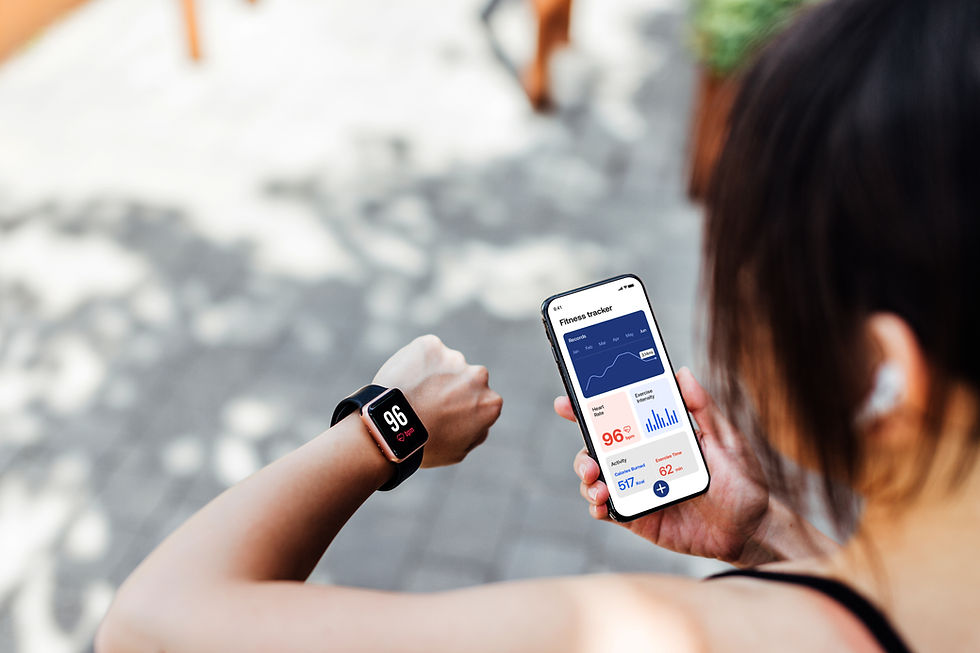
Fitness is no longer limited to four walls. One of the biggest fitness trends in 2026 is the continued rise of wearable devices and mobile fitness apps.
From tracking heart rate and sleep quality to monitoring recovery and workout performance, today’s members carry personal health data with them at all times. These tools do more than collect information. They influence behavior, shape workout decisions, and keep people engaged between gym visits.
For many users, the line between digital and in-person fitness has already disappeared.
What This Means for Gyms
Instead of resisting this shift, smart gyms are using technology to improve the member experience.
The most successful facilities are:
Connecting gym equipment and programs with members’ devices
Designing performance-based challenges using real-time data
Offering hybrid fitness experiences that combine in-gym training with digital follow-up
Where the Opportunity Lies
A strong gym app is no longer a bonus. It is becoming an expectation.
Modern members want:
Flexible training that they can continue while traveling
On-demand workout libraries tailored to their level
Progress tracking that feels personal and motivating
The key takeaway is simple: technology is not replacing gyms. It is raising the standard for what the gym experience should feel like.
2. Fitness for Older Adults Is Becoming a Major Growth Market
Adults over 60 are among the fastest-growing audiences in fitness. This is one of the most important trends in the gym industry for 2026, especially for facilities looking to reach underserved markets.
Older adults are not simply interested in staying active. They are focused on living longer, staying independent, and improving quality of life. Unlike younger demographics, they often value safety, guidance, and trust above intensity or hype.
Why This Matters
This audience is looking for programs that help them:
Improve balance and prevent falls
Maintain strength and mobility
Support heart health and overall wellness
How Gyms Can Stand Out
Many facilities make the mistake of rebranding general classes as “senior-friendly.” That is no longer enough.
To connect with this audience, gyms should:
Develop purpose-built programs focused on mobility, flexibility, and functional strength
Offer smaller group sessions or personalized coaching
Ensure trainers understand age-specific needs and limitations
The Real Advantage
When done well, this becomes more than another class offering. It becomes a strong differentiator.
Older adults are often highly loyal when they find a gym they trust. That trust can translate into stronger long-term retention and referrals.
3. The Shift From Weight Loss to Total Well-Being
In 2026, the conversation around fitness is changing. More people are asking, “How do I feel?” instead of only asking, “How do I look?”
That shift is driving one of the clearest fitness industry trends in 2026: the move from appearance-based goals toward full lifestyle wellness.
What This Means for Fitness Businesses
Gyms that still market themselves mainly around weight loss are becoming less relevant. Today’s members are increasingly attracted to fitness spaces that support:
Energy and vitality
Mental clarity
Sustainable health habits
Long-term well-being
A Smarter Approach for Gyms
Successful gyms are reframing weight loss as a byproduct of a healthier lifestyle rather than the main promise.
This can be done by:
Training staff to focus on total wellness during consultations
Offering education around recovery, nutrition, and mental well-being
Highlighting progress beyond appearance alone
Why This Works
People want fitness to improve how they live, not just how they look. Gyms that align with that mindset often attract more committed members and create stronger retention.
4. Strength Training Is Making a Powerful Comeback
Strength training remains one of the strongest fitness trends for gym owners in 2026. For many members, lifting weights is no longer just a workout. It is part of identity, community, and lifestyle.
Younger generations are especially drawn to strength training because it offers visible progress, measurable performance gains, and a sense of belonging on the gym floor.
Why This Trend Is Growing
Today’s members are drawn to:
Visible progress and measurable strength gains
A sense of community inside the gym
Stress relief through demanding physical effort
This trend is difficult to replicate in a purely digital environment. The energy of a shared gym space still matters.
How Gyms Can Maximize This Movement
To capitalize on this trend, gyms should:
Prioritize dedicated strength training zones
Hire experienced coaches who can teach progression and safety
Upgrade strength equipment regularly
Create specialized areas for advanced lifters
Offer beginner onboarding sessions to reduce intimidation
The Bigger Picture
Strength training is not fading. It is evolving into a long-term lifestyle category, and gyms that build around this culture can create highly engaged communities.
5. High-Intensity Interval Training Continues to Win the Time Battle
Time is one of the most valuable resources for modern consumers. That is why HIIT remains one of the top fitness trends in 2026.
High-intensity interval training appeals to people who want efficient, results-driven workouts that fit into a busy schedule.
Why It Resonates
High-intensity training continues to grow because it:
Fits into demanding lifestyles
Helps improve endurance and conditioning
Keeps workouts dynamic and challenging
Opportunities for Gyms
Structured HIIT classes are a strong growth opportunity for gyms. To make the most of them, facilities should:
Offer professionally programmed sessions
Rotate formats to keep classes fresh
Use tracking tools to measure effort and recovery
Coach properly to reduce injury risk
Where Technology Helps
HIIT becomes even more engaging when paired with digital tools.
Gyms can use wearable integration to:
Track heart rate zones in real time
Measure performance improvements
Deliver more personalized feedback.
Shorter workouts with strong perceived value make HIIT a winning format for member engagement.
6. Mental Wellness Is Now Central to Fitness
One of the most important fitness industry trends for 2026 is the growing connection between movement and mental well-being.
Fitness is no longer seen as purely physical. More members are using exercise to reduce stress, improve mood, boost focus, and create stability in daily life.
The Shift in Perspective
People are increasingly turning to fitness as a tool to:
Reduce stress and anxiety
Improve emotional well-being
Build healthy routines and consistency
How Gyms Can Respond
Forward-thinking gyms are expanding beyond equipment and traditional programming.
Effective strategies include:
Introducing classes that support mindfulness and recovery
Hiring instructors with experience in restorative disciplines
Offering both in-person and virtual wellness sessions
Creating calm, welcoming spaces that encourage regular attendance
The Business Opportunity
This trend also opens up new partnership opportunities.
Gyms can:
Work with local companies on employee well-being programs
Offer wellness packages for corporate clients
Create flexible access for hybrid and remote workers
Mental wellness is no longer a side topic. It is central to what many members now expect from a fitness brand.
7. Functional Fitness Is Redefining Everyday Strength
Functional fitness remains one of the most practical gym business growth trends in 2026 because it connects directly to real-life movement.
Instead of focusing only on isolated muscles, functional training improves how the body performs in everyday situations such as lifting, bending, pushing, reaching, and stabilizing.
Why It’s Growing Again
People want:
Better balance and coordination
Increased mobility and flexibility
Reduced injury risk in daily life
This makes functional training appealing to a wide range of people, from beginners to older adults to athletes.
What Makes It So Effective
Exercises like squats, lunges, push-ups, carries, and core stability drills are simple, scalable, and efficient. They also work well with equipment like kettlebells, bands, medicine balls, and bodyweight circuits.
How Gyms Can Leverage This Trend
Gyms can build a stronger appeal by:
Creating dedicated functional training zones
Offering structured movement-based programs
Designing scalable sessions for different fitness levels
Emphasizing practical benefits over appearance-based outcomes
Functional fitness resonates because it helps people live better, not just look fitter.
8. Digital Creators Are Influencing Fitness Decisions
Digital creators and fitness influencers continue to shape buying behavior, workout preferences, and brand perception. This is one of the most overlooked fitness marketing trends in 2026.
People increasingly trust relatable voices online, especially creators who share routines, results, motivation, and honest experiences.
Why Their Impact Is So Strong
Audiences respond to creators who:
Share authentic fitness journeys
Offer practical tips and workout ideas
Build a real sense of community
This makes creators highly influential in how people choose gyms, classes, and training styles.
The Double-Edged Effect
Positive visibility can quickly increase awareness and interest. But negative experiences can also spread fast.
That is why reputation management matters more than ever.
How Gyms Can Use This Trend
Smart gyms are:
Collaborating with local creators who match their brand
Featuring them in campaigns, events, and launches
Encouraging authentic member content instead of overly polished ads
People trust people more than traditional advertising. In a digital-first market, that matters.
9. Outdoor Workouts Are Bringing Fitness Back to Nature
Outdoor training is becoming an increasingly important part of the fitness experience. As people seek fresh air, flexibility, and social interaction, outdoor workouts are gaining renewed popularity.
This makes outdoor programming one of the more experience-driven fitness trends in 2026.
Why This Shift Is Happening
Indoor routines can feel repetitive. Outdoor fitness offers:
Variety and a more enjoyable environment
A stronger sense of freedom
Social connection in a relaxed setting
How Gyms Can Expand Beyond Their Walls
Forward-thinking gyms are extending their brand experience outside the facility.
Examples include:
Group runs, hikes, and city-based workouts
Weekend events and outdoor boot camps
Seasonal challenges tied to local environments
The Real Value
Outdoor workouts do more than burn calories. They build community, create memorable brand experiences, and deepen member loyalty.
In 2026, fitness is not only about where you train. It is about how the experience makes people feel.
10. Expert Coaching Is Becoming the Ultimate Differentiator
In a crowded market, equipment is not enough. Coaching is becoming one of the strongest differentiators for gyms that want to grow.
This is one of the most valuable gym owner strategies for 2026 because great coaching improves retention, results, and trust.
Why Professional Coaching Matters More Than Ever
Today’s members want trainers who can:
Understand personal goals and limitations
Adapt programs to individual lifestyles
Deliver real progress while keeping people motivated
A one-size-fits-all approach no longer works.
How Gyms Can Elevate Their Training Experience
Gyms that want to stand out should:
Hire trainers with strong communication and technical skills
Invest in ongoing education and development
Focus on relationship-building between coaches and members
Offer both personal training and scalable group coaching options
The Real Impact
Great trainers do more than instruct. They build confidence, consistency, and trust. That human connection often becomes the reason members stay.
Conclusion: The Future of Fitness Belongs to Gyms That Adapt
The top fitness trends in 2026 are clear. The industry is moving toward personalization, wellness, flexibility, technology, and a stronger human connection.
For gym owners, success is no longer about blindly following trends. It is about understanding what members value most and building experiences that align with those expectations.
That means:
Listening closely to changing member needs
Adapting quickly to new behaviors
Creating fitness experiences that go beyond traditional workouts
The gyms that embrace innovation while staying authentic will lead the market. The ones that stay static will struggle to keep up.
If you want to grow your gym in 2026, the time to adapt is now.
FAQs
What are the top fitness trends in 2026?
The top fitness trends in 2026 include wearable technology, hybrid training, fitness for older adults, strength training, HIIT, mental wellness, functional fitness, creator-driven influence, outdoor workouts, and expert coaching.
How can gym owners use fitness trends to grow their business?
Gym owners can use these trends to improve member retention, attract new audiences, increase engagement, and create more valuable experiences that support long-term growth.
Why is mental wellness important in the fitness industry?
Mental wellness is increasingly important because many members now view fitness as a tool for stress reduction, emotional well-being, and overall life balance, not just physical appearance.
Why are experienced trainers in such high demand?
Experienced trainers help members achieve better results through personalized guidance, accountability, and trust. In a competitive market, coaching quality can be a major differentiator.
What is the best fitness trend for gym growth in 2026?
There is no single best trend. The strongest growth usually comes from combining technology, expert coaching, member experience, and wellness-focused programming in a way that matches your target audience.